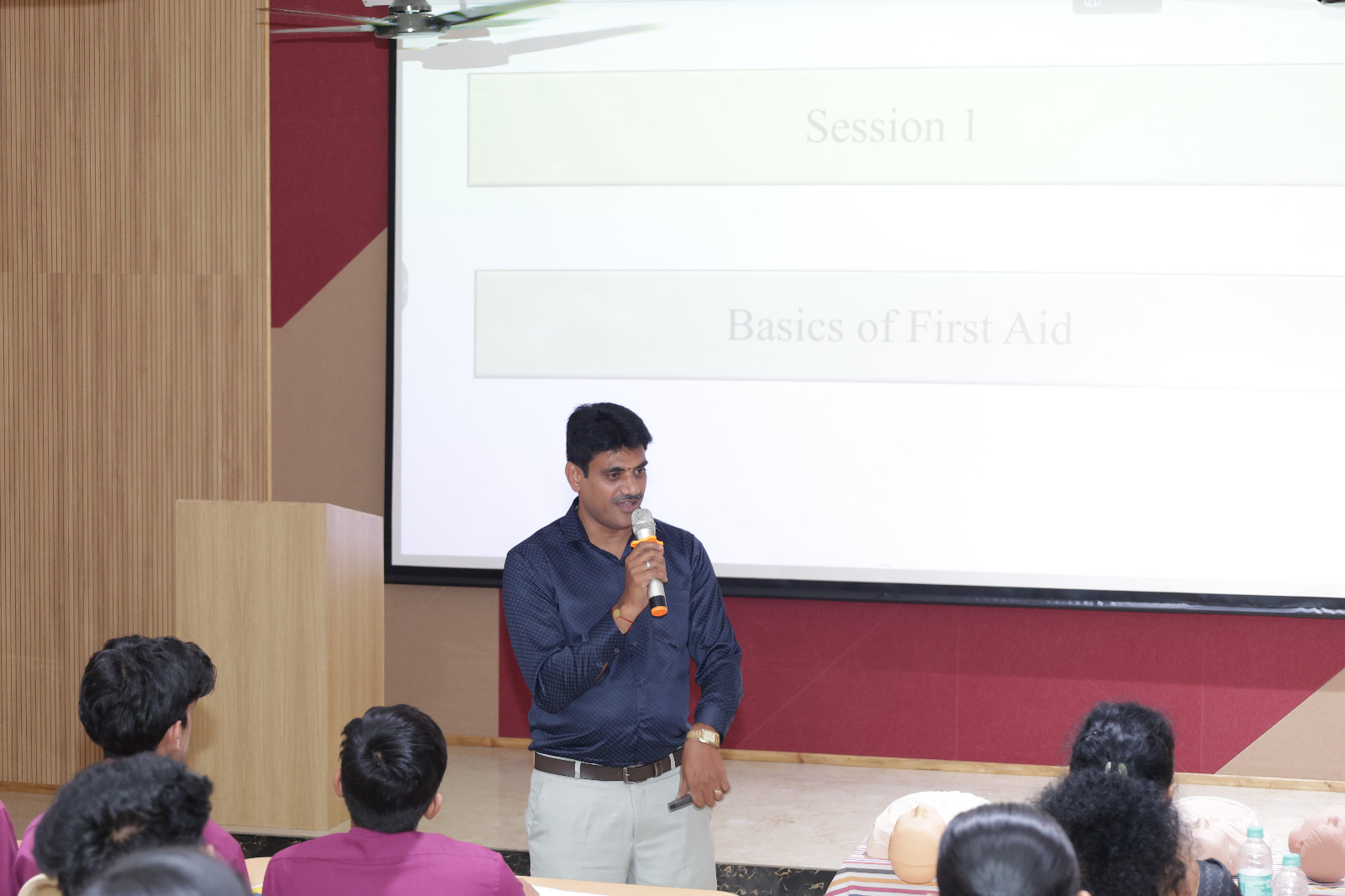
BLS Module Programme
Date: 26/05/2026
Venue: Lecture Hall 4, 3rd Floor
Time: 10:00 AM to 4:00 PM
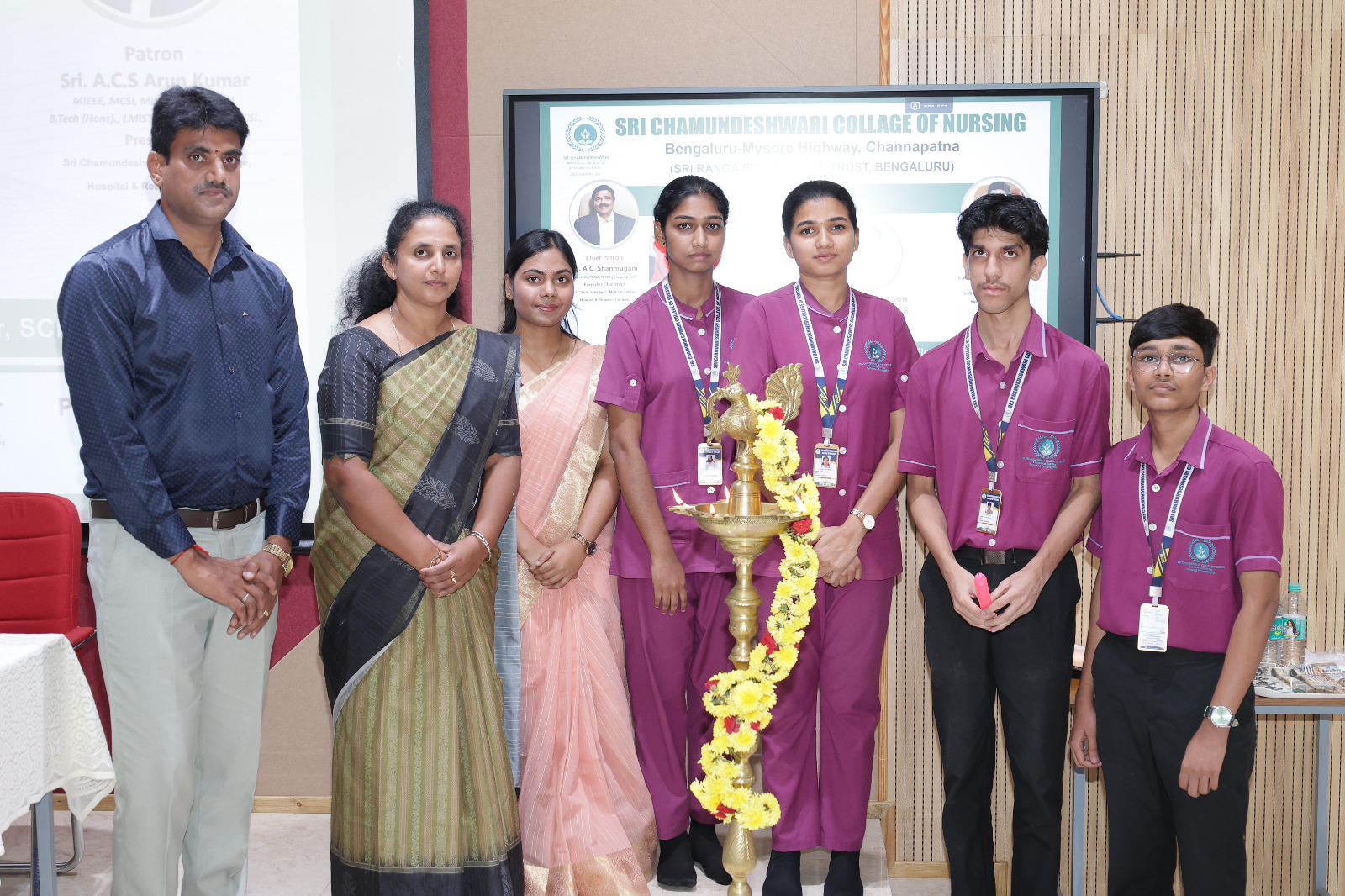
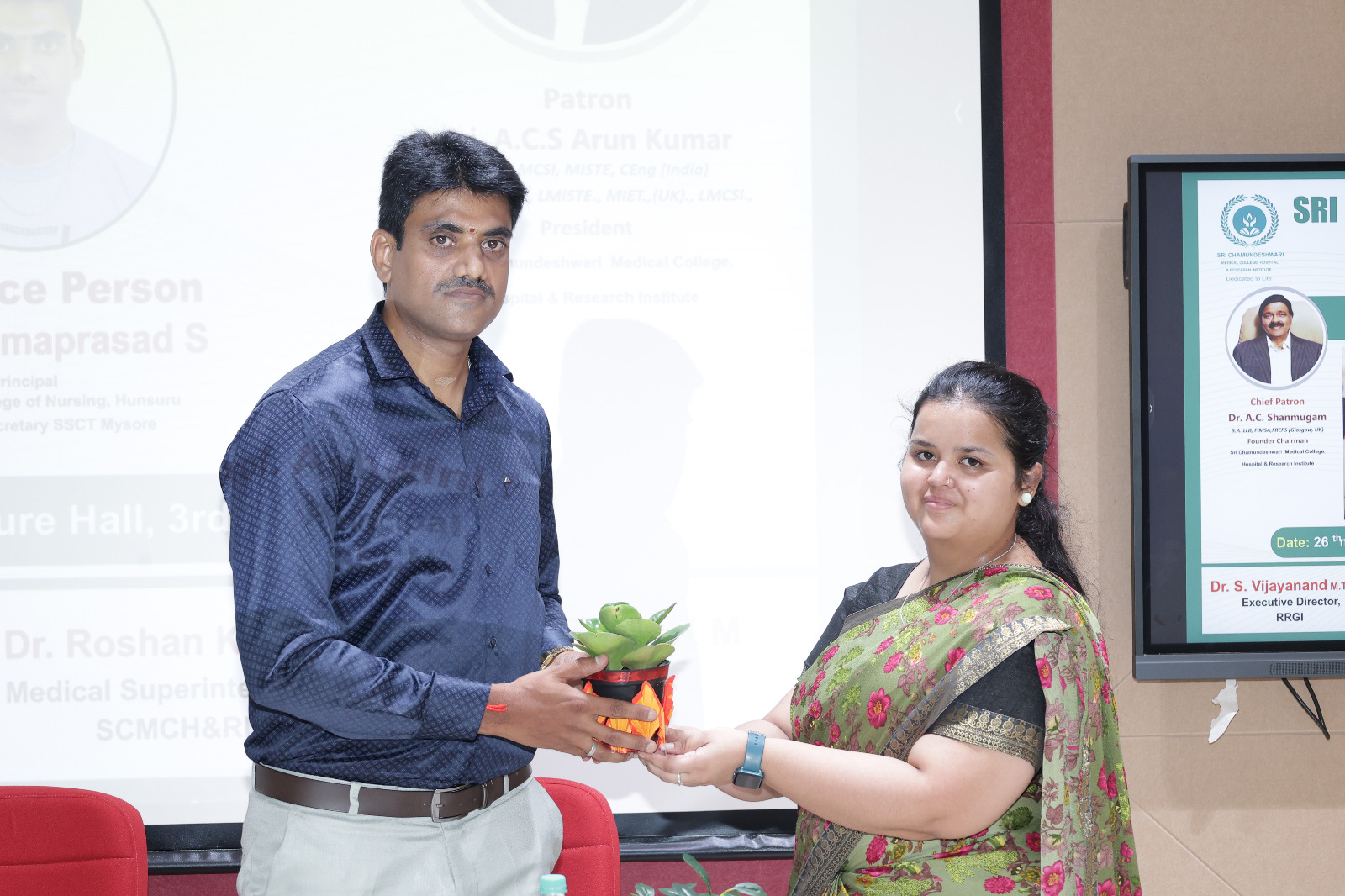
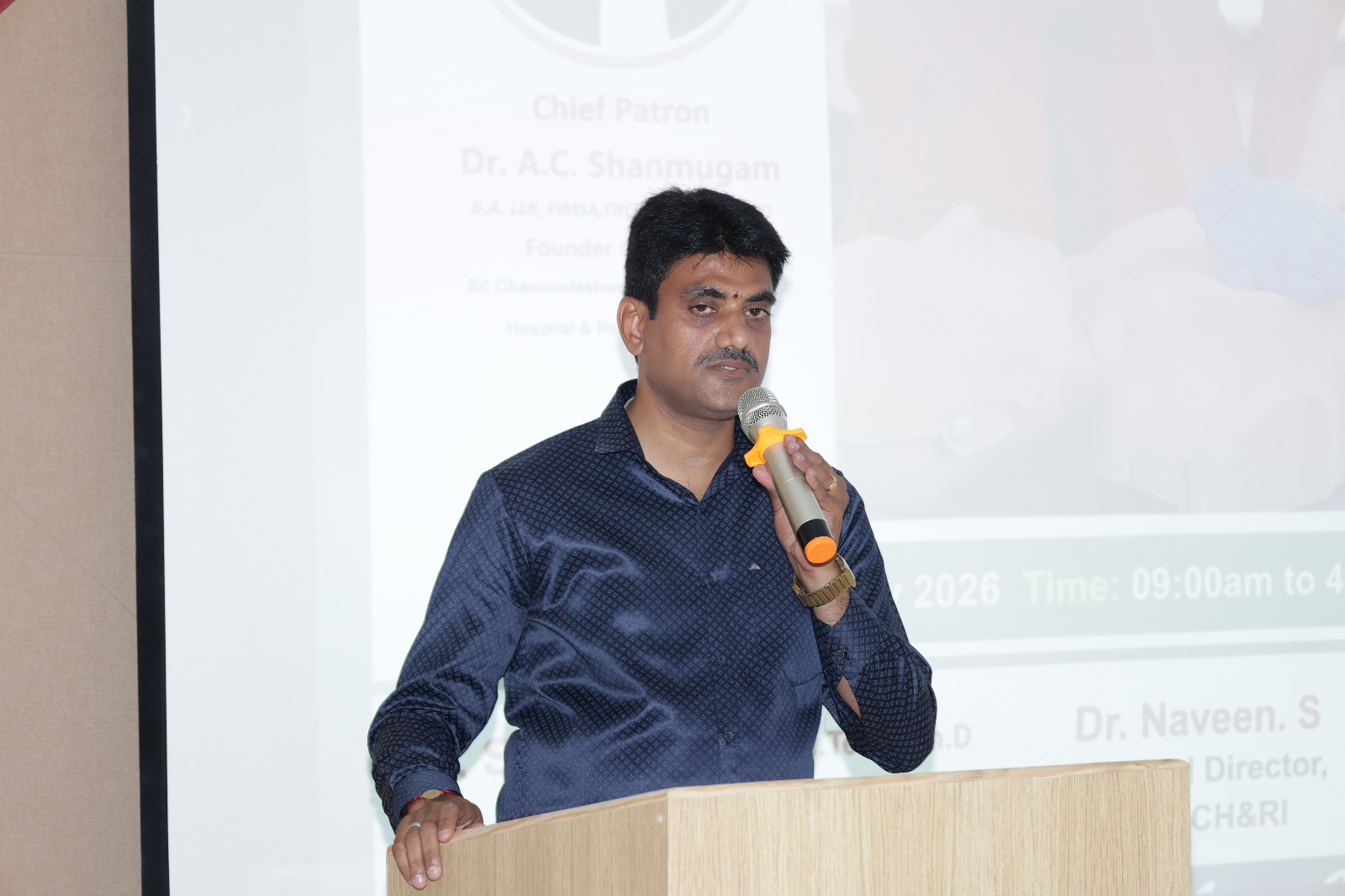
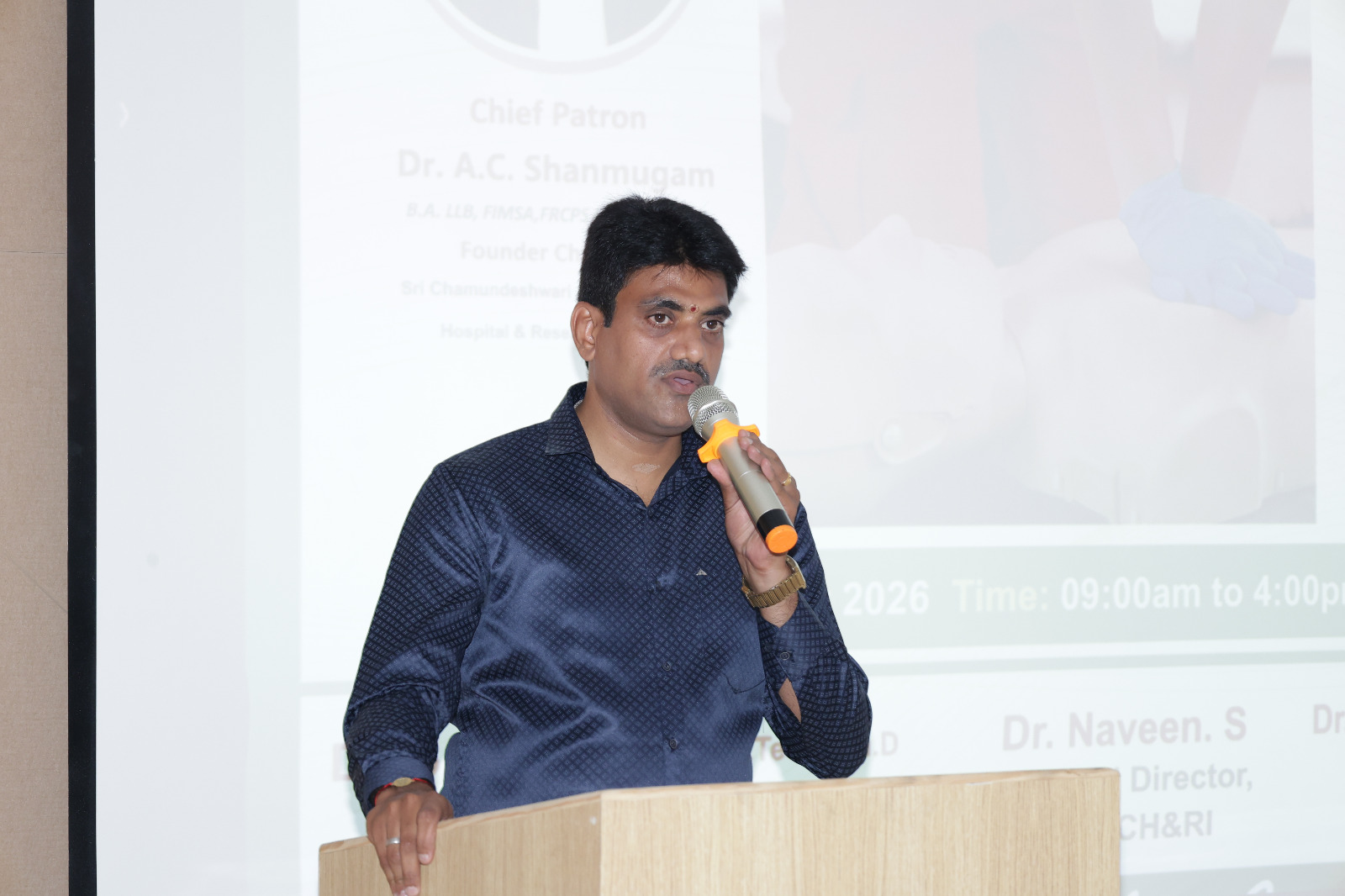
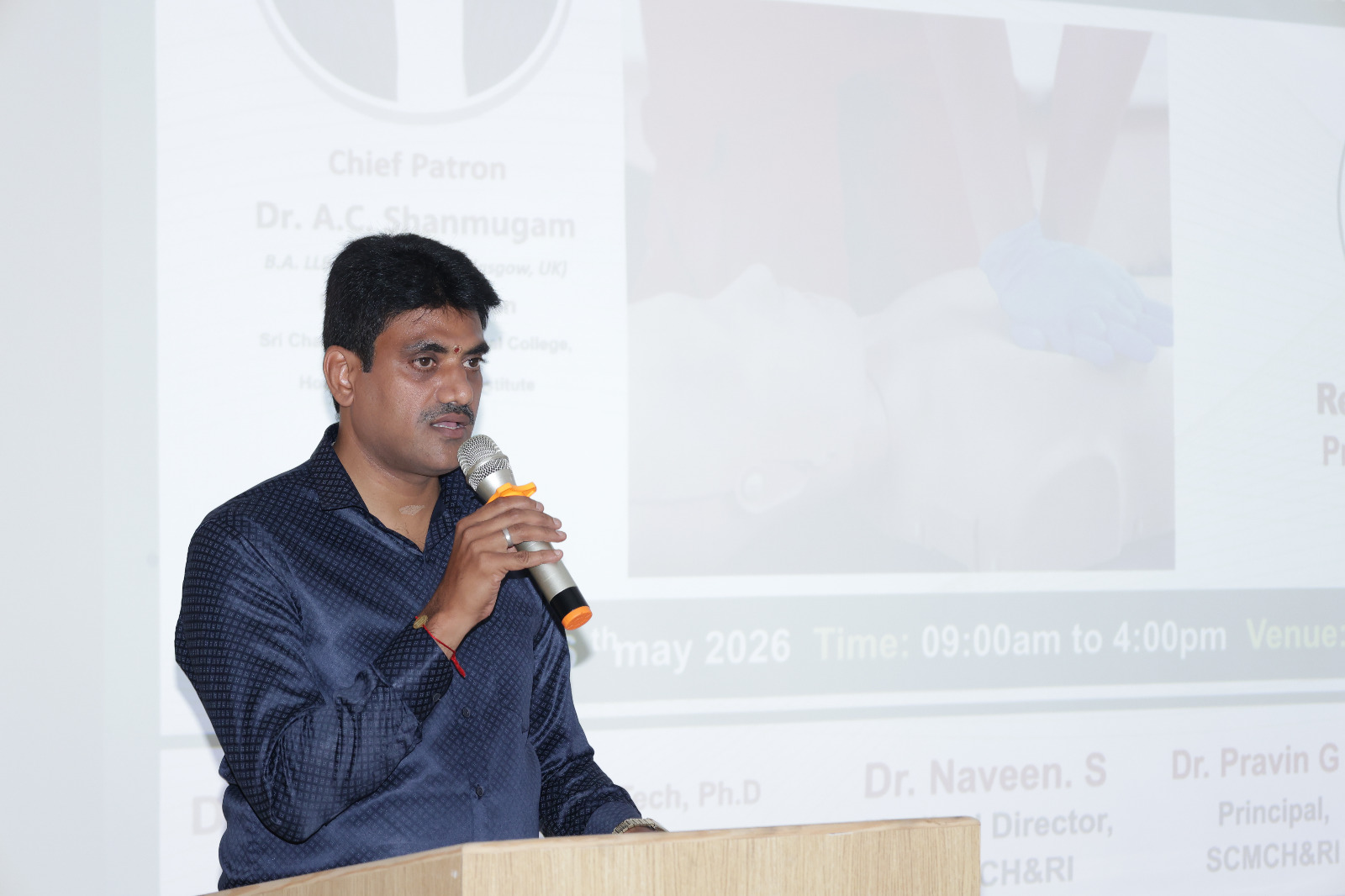
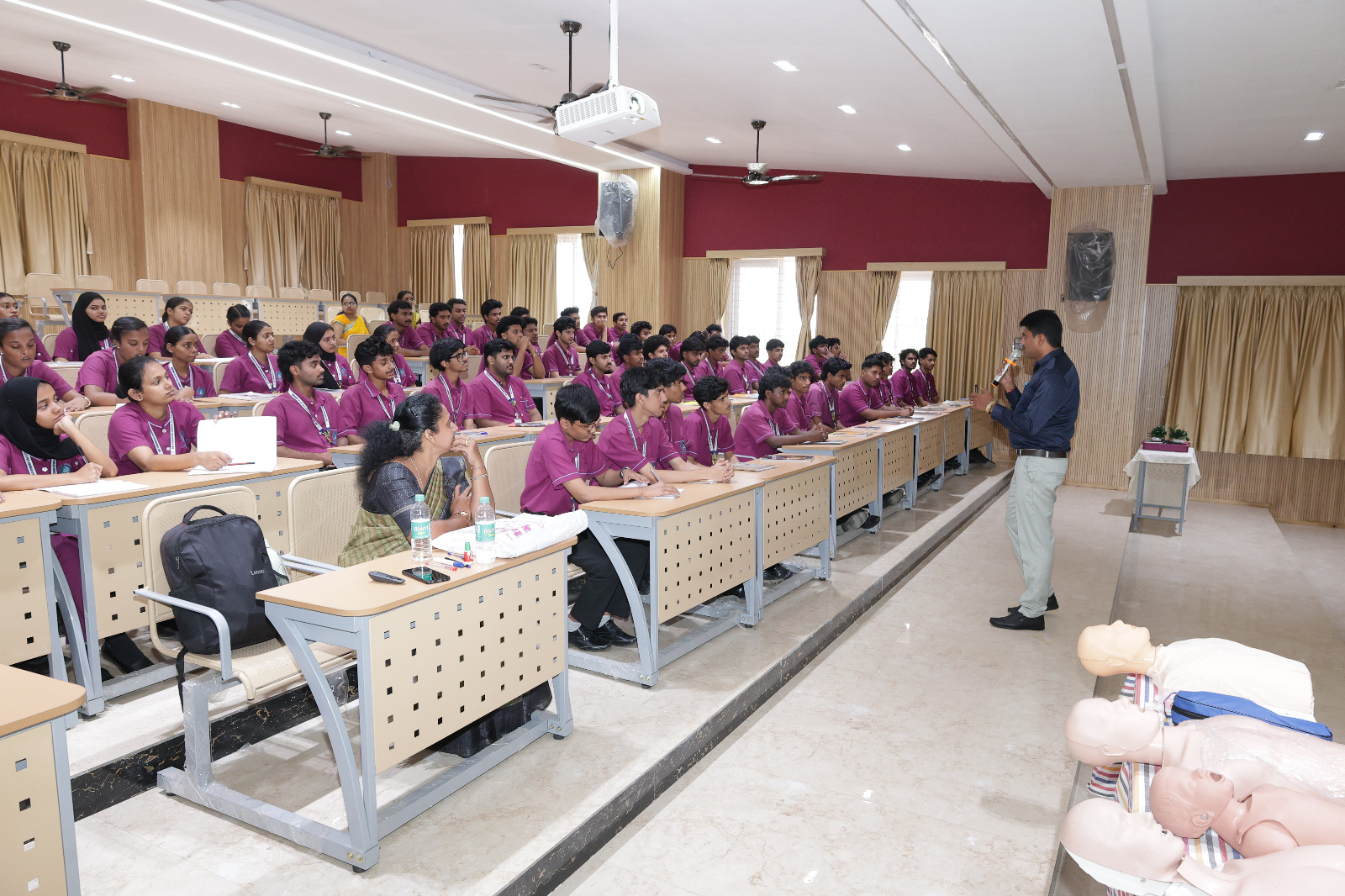
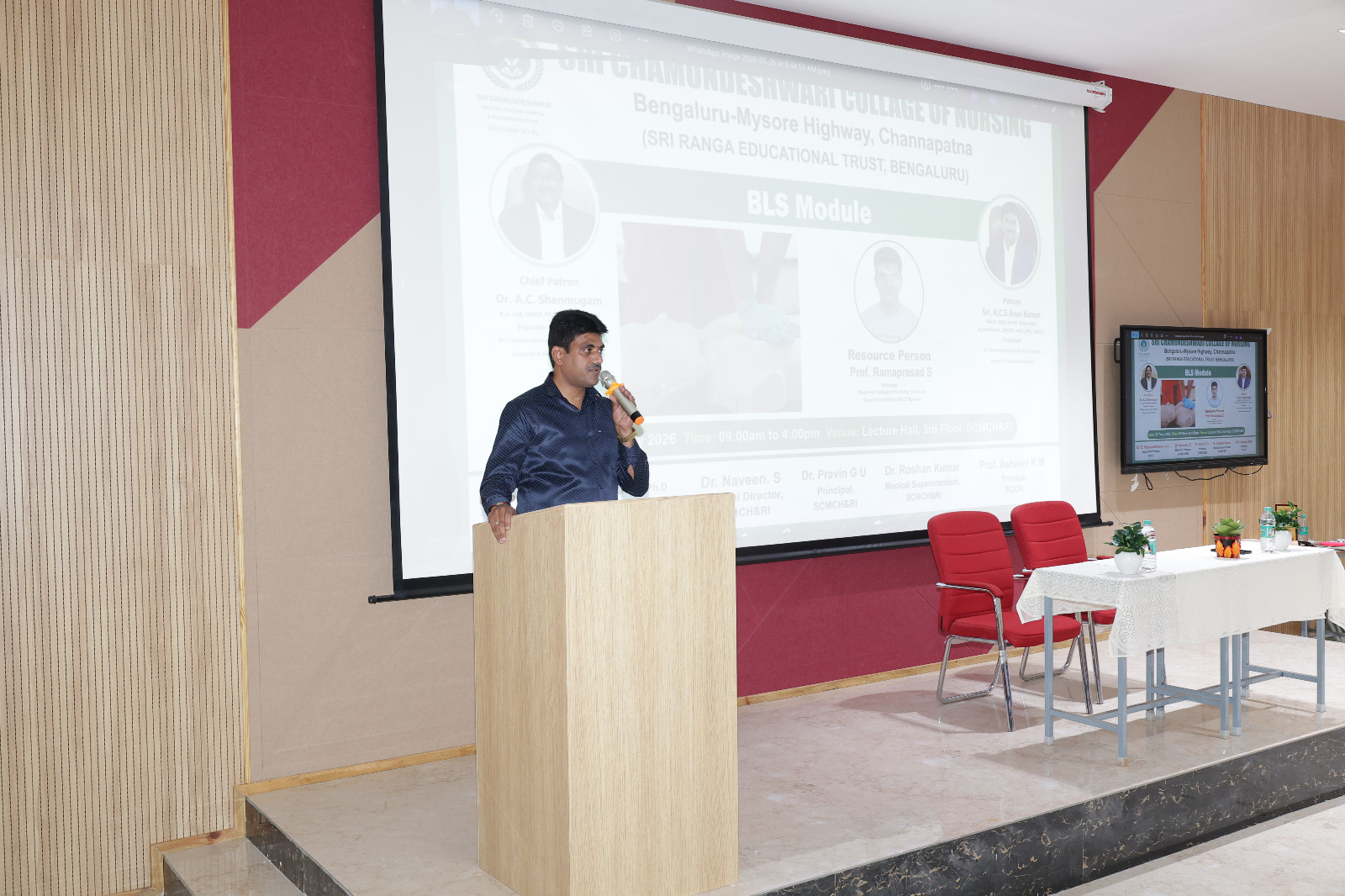
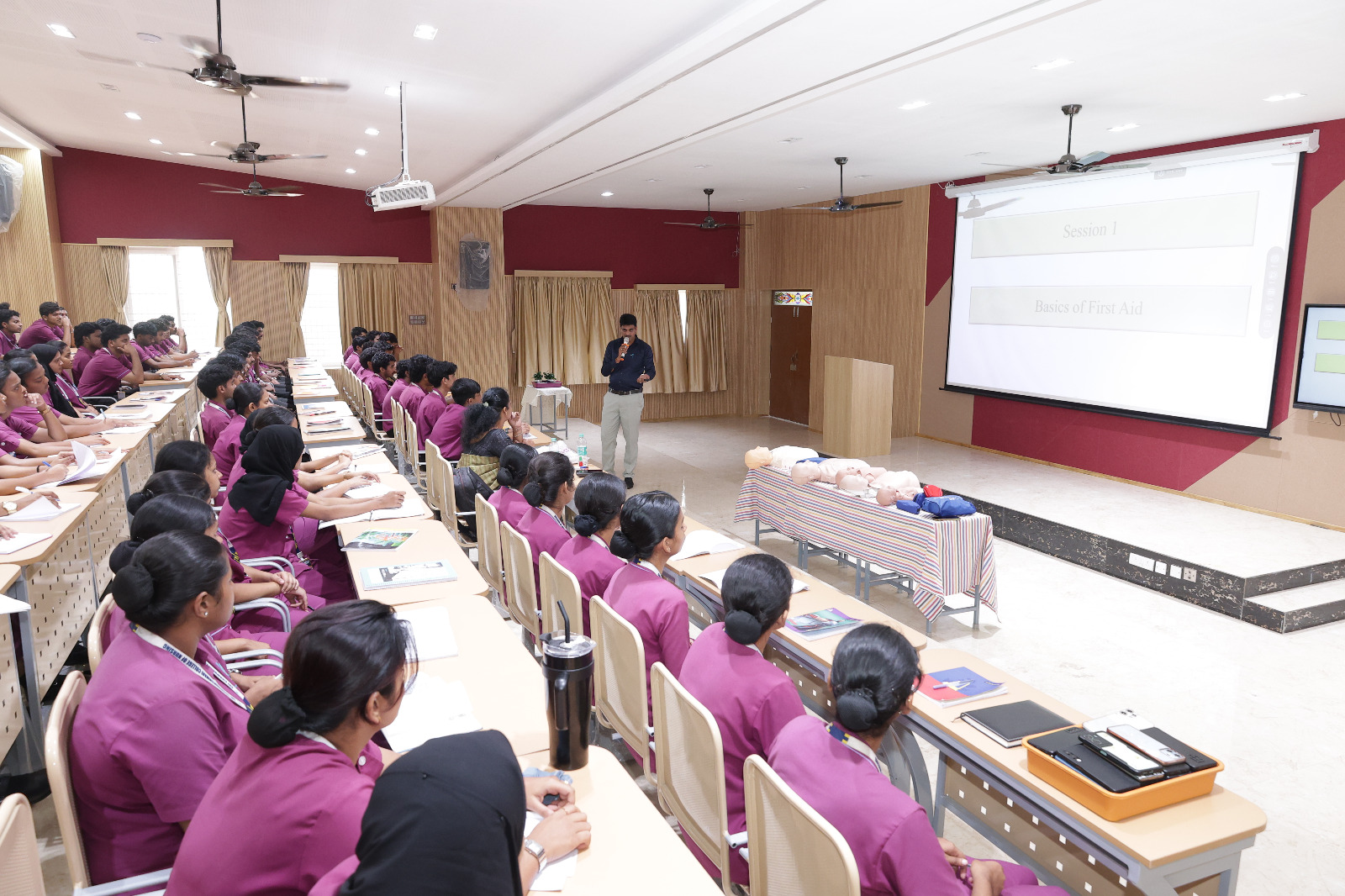
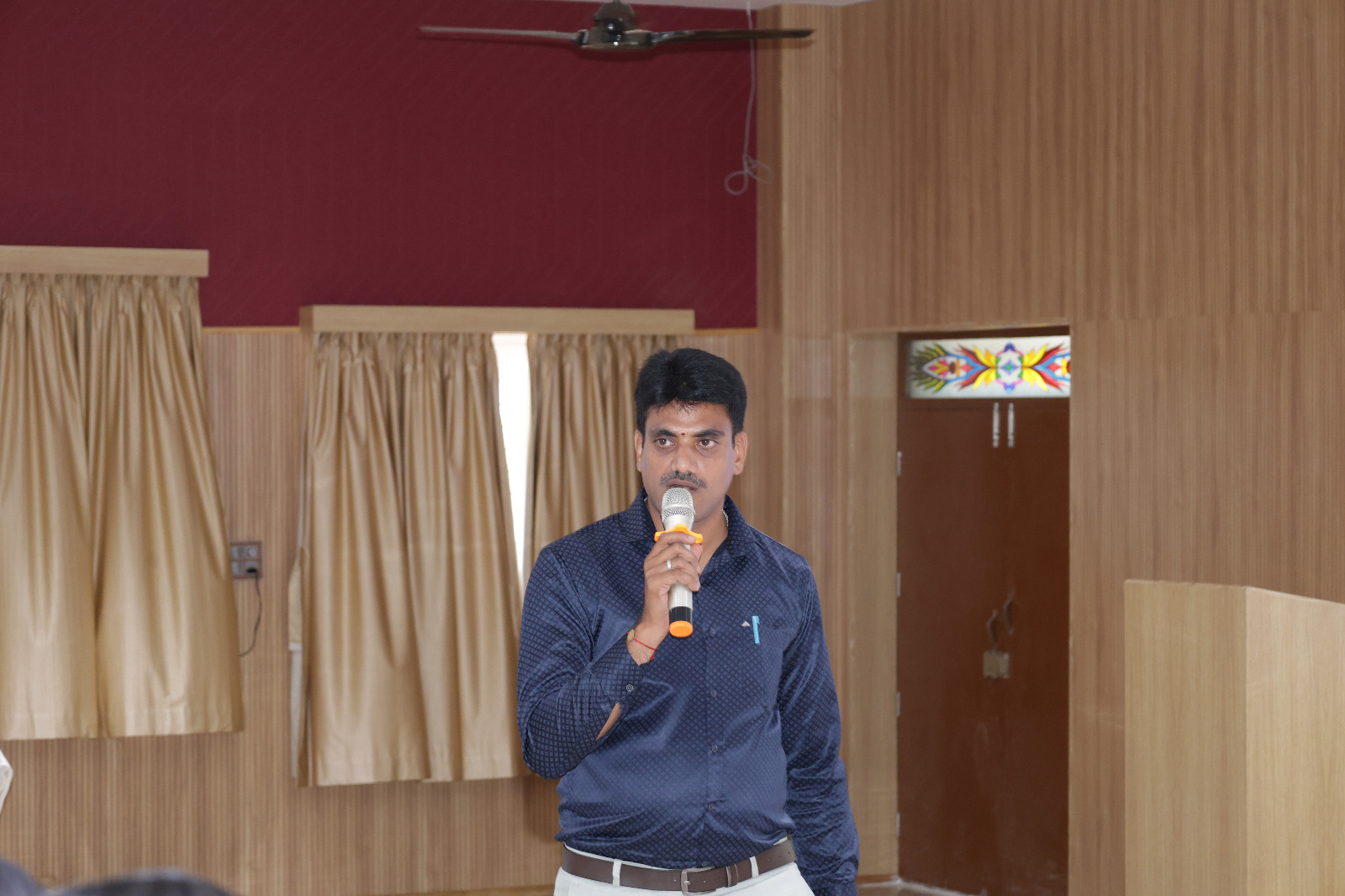
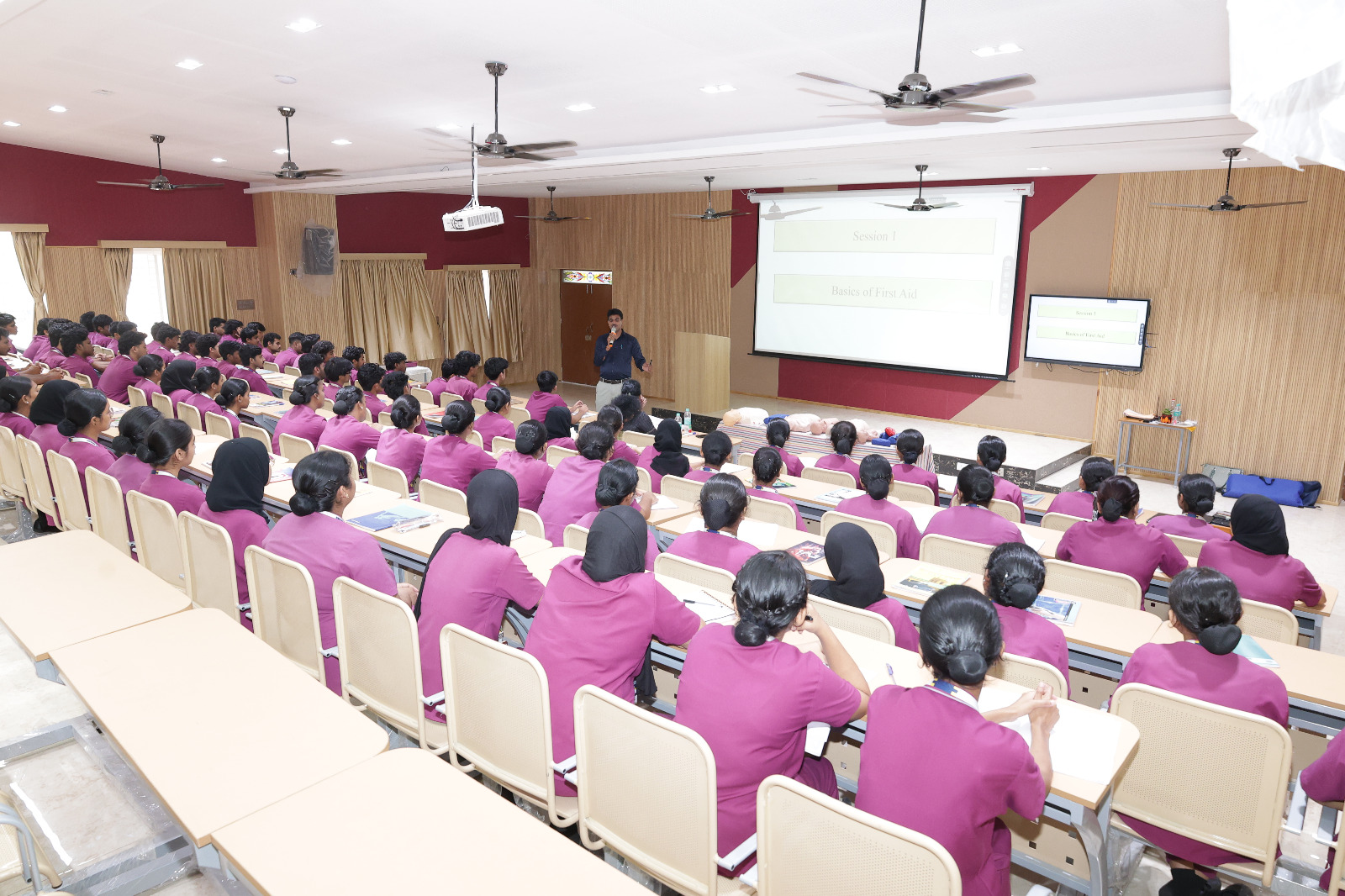
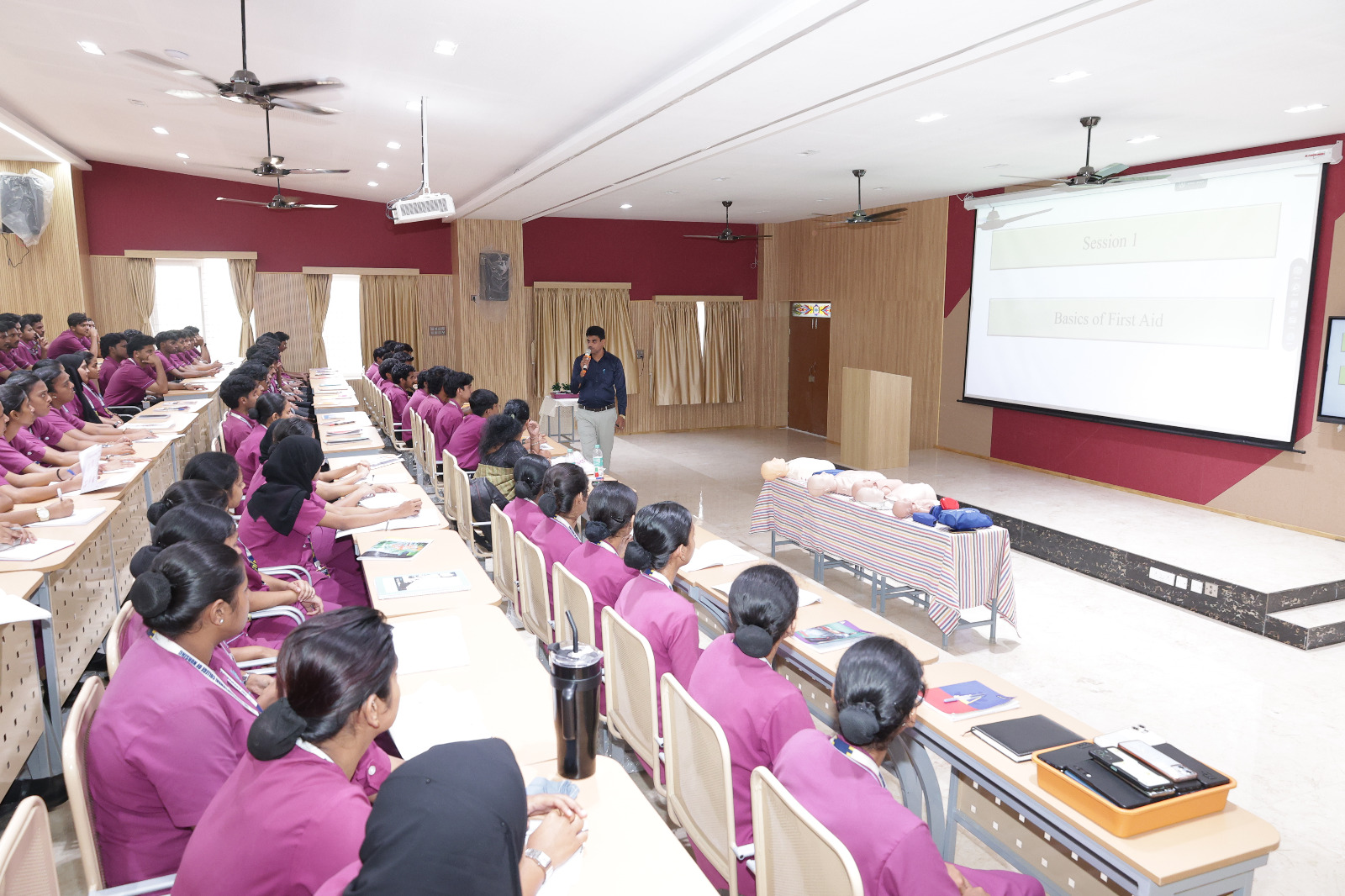
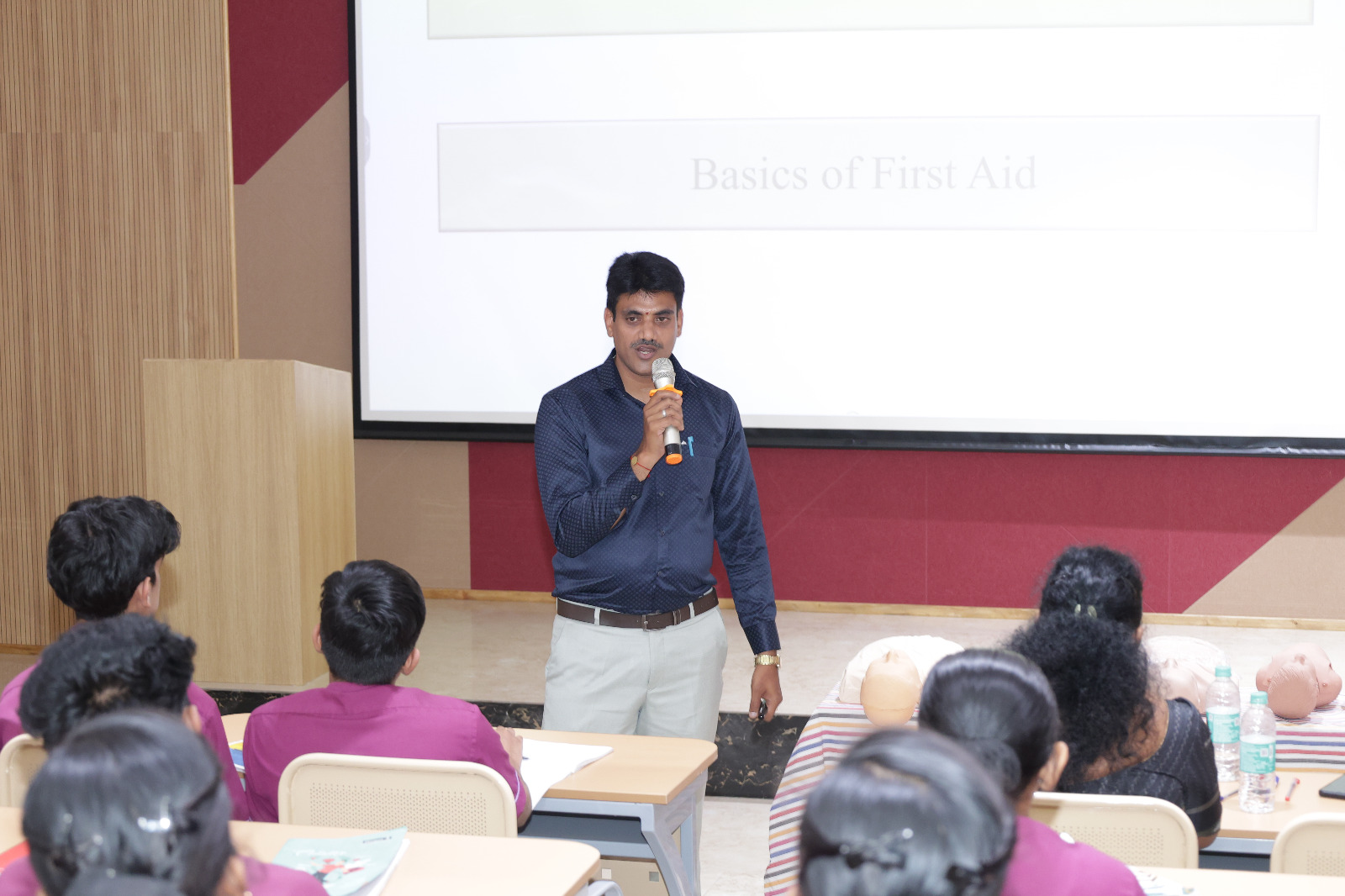
The BLS (Basic Life Support) Module Programme was organized for the 3rd Semester Nursing students in Lecture Hall 4 on the 3rd Floor from 10:00 AM to 4:00 PM. The programme was conducted with the objective of enhancing the students’ knowledge and practical skills in emergency life-saving procedures, cardiopulmonary resuscitation (CPR), and basic cardiac care.The session was conducted by Prof. Ramaprasad S, Principal of Rayanna College of Nursing and General Secretary of SSCT Mysore. He shared valuable knowledge regarding the principles and techniques of Basic Life Support, airway management, emergency response, and effective handling of critical situations.The programme commenced with a pretest to assess the participants’ baseline knowledge regarding Basic Life Support and emergency care procedures. Following the pretest, the academic sessions were conducted systematically according to the BLS module schedule.
Session Details
1. Session 1: Basics of First Responder and Principles of First Aid
The session focused on the role and responsibilities of a first responder, along with the fundamental principles of first aid and immediate emergency care.
2. Session 2: Cardiac Arrest / OHCA / IHCA (Adult and Pediatric)
The resource person explained the concepts of Out-of-Hospital Cardiac Arrest (OHCA) and In-Hospital Cardiac Arrest (IHCA) in both adults and pediatric patients.
3. Session 3: Adult Cardiac Arrest Algorithm and High-Quality CPR
Detailed demonstrations and explanations were provided regarding adult cardiac arrest management, CPR techniques, chest compressions, and ventilation methods following standard guidelines.
4. Session 4: Pediatric Cardiac Arrest Algorithm
The students learned the steps involved in recognizing and managing pediatric cardiac arrest effectively.
5. Session 5: Use of AED (Automated External Defibrillator)
Practical guidance was given on the correct use of AED during cardiac emergencies.
6. Session 6: Victim Assessment
This session covered systematic assessment of victims, including checking responsiveness, airway, breathing, and circulation.
7. Session 7: Team Dynamics
The importance of teamwork, communication, coordination, and role allocation during emergency situations was emphasized.
8. Session 8: Practice Session – BLS Module
Hands-on practice sessions were conducted where students actively participated in CPR techniques, victim assessment, and emergency response drills under the guidance of the resource person.
The programme included both theoretical teaching and practical demonstrations, which greatly helped the students understand the importance of immediate and effective intervention during emergencies. Students actively participated in the hands-on training sessions and clarified their doubts during the interactive discussions.The BLS Module Programme was highly informative and beneficial for all participants. It significantly enhanced the confidence, knowledge, and competency of the nursing students in handling emergency situations effectively and efficiently.The programme concluded successfully with a vote of thanks expressing gratitude to the resource person, management, principal, faculty members, and students for their support and active participation.